
AI-Powered Betting: Elevating the Gambling Industry through Smart Algorithms

The gambling industry is still undergoing a technological revolution and in 2026, artificial intelligence (AI) is leading the revolution. In predictive analytics to autonomous odds correction, AI-based systems are changing the nature of sportsbook operations and decision-making among bettors. The machine learning models currently being used in modern platforms enable massive amounts of sports data to be processed in just a few seconds. To the technologically minded gamers, learning about the role of AI in betting markets can allow access to smarter betting and strategic benefits.

The Future of Predictive Analytics in Sports Betting

Predictive analytics is based on historical information, player statistics, weather conditions, and team performance data to predict some probable possibilities. Thousands of variables are simultaneously processed by AI models to determine the patterns that are missed by human analysts. Sportsbooks can use this technology to offer more precise odds in addition to providing informed betters with more statistical information. The major benefit is that it is possible to know how to read such predictions, and not just follow and act upon them.

A futuristic sportsbook control room featuring AI-powered analytics screens displaying sports data charts, predictive graphs, automated odds updates, and a digital interface with glowing blue technology elements.

Real-Time Market Liquidity and Automated Odds

Automation of odds compilation is considered to be one of the largest technological changes. AI systems vary betting lines on-the-fly depending on in-game performance, betting volume and market behavior. Any bettor who is aware of how these automated changes operate will be able to spot when the market is running a bit hot. Or, when it is under-pricing some of the outcomes.

Data Visualization Tools in Smarter Decisions

Recent gambling applications are now combined with sophisticated dashboards, live charts, heat maps and trend indicators. Such visual tools can help in simplifying complex datasets and enable the user to assess the risk factors fast. Rather than go through innumerable statistics, punters can make out the trend of performance in interactive graphics. Using these tools would enhance efficiency and enable more assertive betting tactics.

Taming the Robot Army vs. the Human Element

AI provides potent insights but still human judgment is needed. Algorithms are based on the data input and cannot be absolutely deterministic of emotional aspects, locker room relationships, or human performance that is unpredictable. Effective punters are a mixture of artificial analysis and personal judgment and expertise. Gambling technology will not involve the replacement of human decision-making, but rather its improvement.

Conclusion

The innovation of AI-based betting is the continuation of gambling.

Technology is transforming the betting landscape to be more convenient and advanced, with predictive analytics and automated odds adjustments, data visualization tools and so on. Nevertheless, the most clever solution in 2026 is the combination of AI and human tactics and training. When betting professionals comprehend the way these technologies work, they will be able to be ahead of the curve. They can make better and calculated decisions in a competitive online market.

Gambling Technology Breakthroughs That Make Casino Style Mini Games More Immersive Than Ever

Smiling man enjoying immersive mobile mini casino gaming at home.

The rapid changes in the development of gambling apps are largely illustrated with the rapid changes in the development of casino style mini games.

These mini-games were once viewed as small side entertainment tasks that were incorporated within a larger gambling ecosystem.

They have, however, become showcases for the latest gambling technologies.

Rather than treating mini-games as sideshows, developers are working on creating these as fully developed digital environments that feature real-time data, advanced graphics, and responsive design.

Today’s mini-games are able to load almost instantly. They are able to adapt to an individual player’s device and offer a fluid animation that is on par with the latest console games.

Engaging in these games has become significantly more frictionless, and developers are able to turn short play times into play times of great entertainment.

As for the operators, the mini-games have become much more than just an aesthetic change. They have become a major investment into player retention, usability, and performance optimization.

Real-time Adaptive Gameplay Processing

The major contributing factor to these changes is the development of rapid real-time processing.

Advancements in cloud computing and distributed infrastructure have made it possible to have the player inputs, animations, and game outcomes synchronize in real time in the game.

These advancements have made it possible to have near instantaneous levels of latency, creating an experience that feels very real to the player.

Machine learning algorithms serve to tailor gaming experiences to user preferences. For example, adjusting difficulty, frequency of rewards, and even bonuses can be done while keeping fairness.

The goal is to create an experience that feels more natural to the player. Even in short gaming sessions, gamers can notice responsiveness and the ability to create an experience that is highly customizable for the player.

This ability to tailor gameplay is most notable in mini-games.

These games typically have shorter and more rapid rounds, which means that the feedback timing and visual changes can impact the user’s experience more significantly.

Defining the right technology rhythm is essential to create an optimal experience.

Visual Realism in Compact Formats

For most mobile games to be usable, the games require advanced compression algorithms as well as optimized coding in the mini games in order to keep the mini games compact to meet bandwidth accessibility.

Mobile games can utilize the hardware acceleration of the device to utilize battery power to create a smoother frame rate.

A more advanced form of realism is offered by haptic feedback, which uses small vibrations during wins or near misses to simulate the sensation of a physical slot machine.

This simulation of a physical slot machine offers a more user-friendly experience.

While the use of everyday headphones is less common in gaming, it is common in everyday life, and it is common to use everyday headphones to deliver the basic sound and engage the user in the experience through advanced sound design, which uses directional audio.


ALSO READ: How Smart Ranking Systems Are Redefining Trust and Transparency in Online Betting


Trust and Secure Infrastructure

Immersive experiences rely on trust, in addition to other things. Gambling has evolved in recent years due to advances in encrypted and blockchain-verified transactions.

Additionally, players may trust the integrity of the game due to end-to-end encrypted withdrawal and deposit transactions and transparent ledger systems.

Real-time regulatory compliance, as well as responsible gaming elements such as session reminders and spending limits, are now integrated into the gaming platform to ensure player safety without eroding player immersion.

Due to the background gaming layers, the players can enjoy the content without worrying about safety.

Where Mini Game Ingenuity is Headed

Industry experts believe that mini games will serve as a testing ground for innovation.

Biometric authentication, augmented reality, and predictive analytics are being tested in mini games before being implemented on a larger scale.

Due to the lower development costs of mini games, they can serve as a quick testing ground for bold ideas.

The gambling technology industry is focused on innovation based on personalization, advanced sensory input, and improved interaction.

Due to their various attributes, mini games will likely maintain their leading position in testing and user experience optimizations.

These experiences showcase the impressive and transformative potential of small-scale gameplay, which can be made into immersive and memorable experiences through smart engineering.

How Royal TV Is Changing Sports Streaming With Cutting-Edge Tech

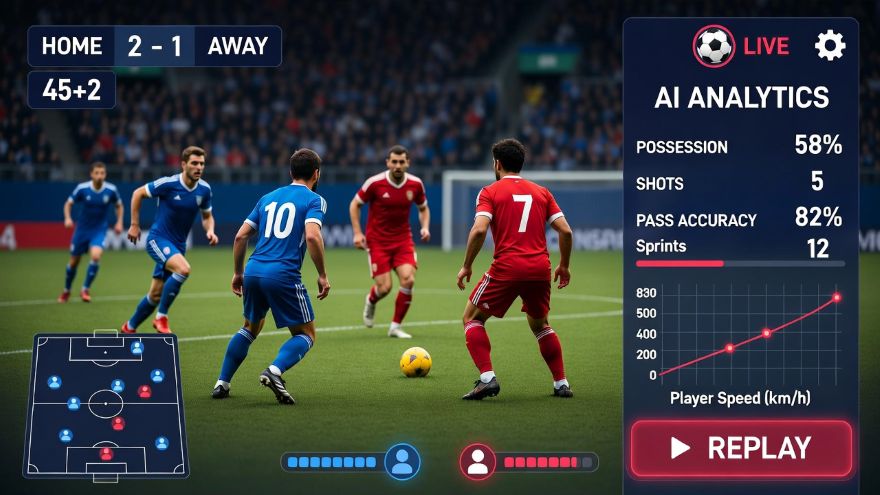
digital interface showing a live soccer match

Digital live sports audiences grew by 8.3% year-over-year in 2025, far outpacing overall sports viewership. This surge highlights a shift toward online platforms. Fans crave seamless, high-quality experiences that keep them glued to the action. Yet, not all services deliver. Enter a new breed of streamers using smart tech to redefine how we watch games.

Sports enthusiasts often juggle devices and connections for the best view. That’s where Royal TV (로얄티비) steps in, offering free real-time broadcasts of major leagues like the EPL, NBA, and MLB. It stands out by blending advanced tools to make streaming feel effortless and immersive. From quick-loading videos to detailed match insights, this platform caters to global viewers who want more than just a basic feed.

Mastering the Basics: Latency and Quality in Streaming

At the heart of any great sports stream lies solid tech fundamentals. Latency, or the delay between real-time action and what appears on screen, can ruin the excitement of a last-minute goal or buzzer-beater. Quality matters too—blurry images or constant buffering frustrate fans. Modern services combat these issues with adaptive streaming, which adjusts video resolution based on your internet speed. This ensures smooth playback without sacrificing clarity.

Royal TV tackles these challenges head-on. It optimizes broadcasts for fast loading and minimal interruptions, delivering high-definition video even on varying connections. By using efficient encoding and delivery methods, the platform keeps latency low, often under a few seconds. This is crucial for live events where every moment counts. Plus, it supports multiple devices, from smartphones to smart TVs, so you can switch seamlessly without losing quality. For fans on the go, this means reliable access to games anytime, anywhere.

Consider a typical soccer match. Traditional TV might lag behind online buzz, but adaptive tech syncs everything in real time. Viewers get crisp visuals, whether on a phone during commute or a big screen at home. This approach not only boosts satisfaction but also draws in more users tired of outdated options.

Enhancing Engagement with Interactive Features

Streaming isn’t just about watching anymore. Interactivity turns passive viewers into active participants. Tools like real-time chats let fans discuss plays as they happen, building a sense of community. Analytics add depth, offering stats and predictions that enrich the experience. For bettors, this data is gold, helping inform decisions on the fly.

Royal TV excels here by integrating live statistics and AI-driven insights. During an NBA game, for instance, users access player lineups, real-time scores, and machine learning-based predictions. This appeals to both casual fans seeking fun facts and serious bettors eyeing odds. Community events, such as prediction challenges, further amp up the thrill. Imagine joining a chat to debate a referee call while stats update instantly, it’s like being in the stands with thousands of others.

Such features foster loyalty. Fans return not only for the games but for the shared vibe. By weaving in these elements, platforms create a more engaging loop. It’s a smart way to stand out in a crowded market, where simple broadcasts no longer cut it.

Peering into the Future: Emerging Trends in Sports Tech

Sports broadcasting is evolving rapidly, driven by innovations like AI, VR, and augmented reality. AI personalizes content, suggesting highlights based on your preferences. VR lets you feel like you’re courtside, while AR overlays stats on the screen. These trends promise even more immersive experiences ahead.

Looking forward, 5G networks will slash latency further, enabling ultra-high-definition streams without hitches. Cloud-based tools will make production more efficient, allowing broadcasters to scale globally. Betting integration within streams could become seamless, blending entertainment with wagering. Sustainability also plays a role, with energy-efficient tech reducing the carbon footprint of massive data transfers.

Platforms leading this charge experiment with drones for unique angles and slow-motion replays that capture every detail. As these technologies mature, expect hyper-personalized feeds where you choose camera views or get tailored commentary. The goal? Make every viewer feel central to the action.

READ ALSO: The Technology Behind Live Streaming – Powering Seamless Sports Betting Streams

Final Thoughts

In wrapping up, Royal TV shows how cutting-edge tech can transform sports streaming into something dynamic and accessible. By prioritizing low latency, interactive tools, and forward-thinking features, it meets the demands of today’s fans. As trends like AI and VR gain traction, services like this will likely shape the future, keeping the excitement alive for generations of viewers.